Covid-19 Testing
Testing is the only way we can confirm if you have COVID-19. Knowing you're infected is important to protect your family and the people you encounter. Testing helps reduce the spread of the virus. When someone tests positive for COVID-19, they can be isolated at home or, if needed, in a hospital. One thing we know for sure – every single person can help our country control the COVID-19 pandemic. From wearing a mask to washing your hands to maintaining physical distance and avoiding large indoor gatherings. A positive test, alerts an individual that they have the infection. Not only can they get treated faster, but they can take steps to minimize the spread of the virus. This is why it is so important to get the test results quickly.
Do You Have Any Of These Symptoms?
- Cough
- Fever
- Fatigue
- Body aches
- Headache
- Shortness of breath
- Sore throat
- Loss of taste or smell
- Nausea
- Congestion
- Chills
- Diarrhea
Need a COVID-19 Testing?
Reasons to Get Tested
- If you have COVID-19 symptoms
- At least 5 days after known or suspected close contact to COVID-19
- For screening (schools, workplaces, congregate settings, etc.)
- Before and after travel
- When asked by a healthcare professional or public health official
Types of Viral Tests
Laboratory Test
- Sample can either be a nasal swab or saliva
- Results usually in 1-3 days
- Results are reliable for people with and without symptoms
- No follow-up test required
- Common example: PCR test
Rapid Test
- Sample is usually a nasal swab
- Results usually in 15-30 minutes
- Results may be less reliable for people without symptoms
- Follow-up test may be required
- Common example: Antigen test
Actions After Result
If Positive Result
- Isolate for at least 5 days. Learn more about isolation timelines and precautions
- Seek a confirmatory, follow-up laboratory test if recommended by healthcare professional
- Monitor your symptoms
If Negative Result
- If up to update on vaccines: return to normal activities. Wear a mask indoors in areas where the COVID-19 Community Level is high.
- If not up to date on vaccines and have symptoms or exposure: quarantine for at least 5 days.
- If not up to date on vaccines and have no symptoms or exposure: return to normal activities. Take steps to get up to date on vaccines to protect yourself and others.
How does COVID-19 spread?
So far, researchers know that the coronavirus is spread through virus particles and droplets released into the air when an infected person coughs, talks, breathes, sneezes, laughs or sings. Larger droplets may fall to the ground in a few seconds, but small infectious particles can linger in the air and accumulate in indoor places, principally where there is poor ventilation and a lot of people are gathered. This is why physical distancing, hand hygiene and mask-wearing are crucial to preventing COVID-19.
How did the coronavirus start?
The first case of COVID-19 was reported Dec. 1, 2019, and the cause was a then-new coronavirus later named SARS-CoV-2. SARS-CoV-2 may have originated in an animal and changed (mutated) so it could cause disease in humans. In the past, a few infectious disease sudden appearance have been traced to viruses originating in bats birds, pigs and other animals that mutated to become murderous to humans. Research continues, and more study may reveal why and how the coronavirus evolved to cause pandemic disease.
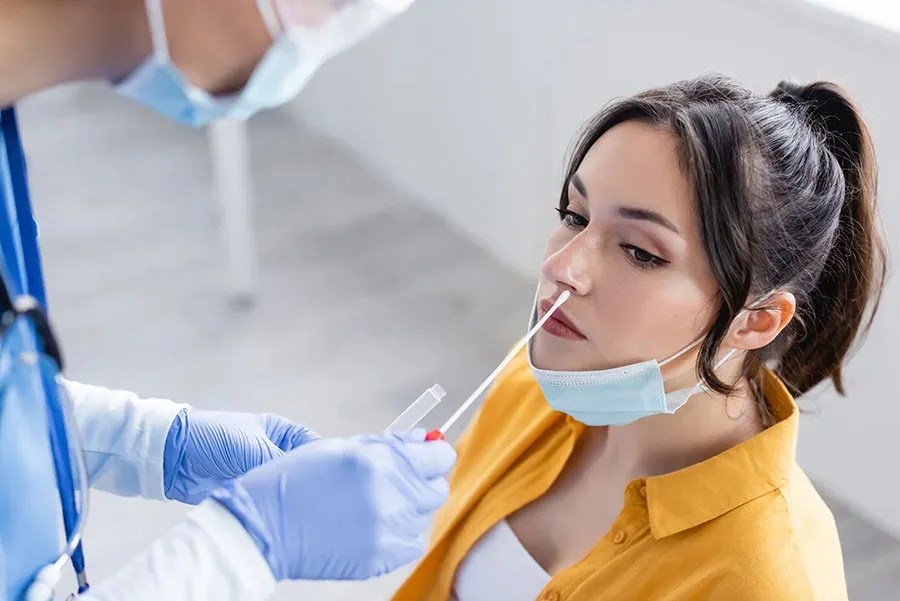
What To Expect During Your Covid-19 Testing In Tampa Florida
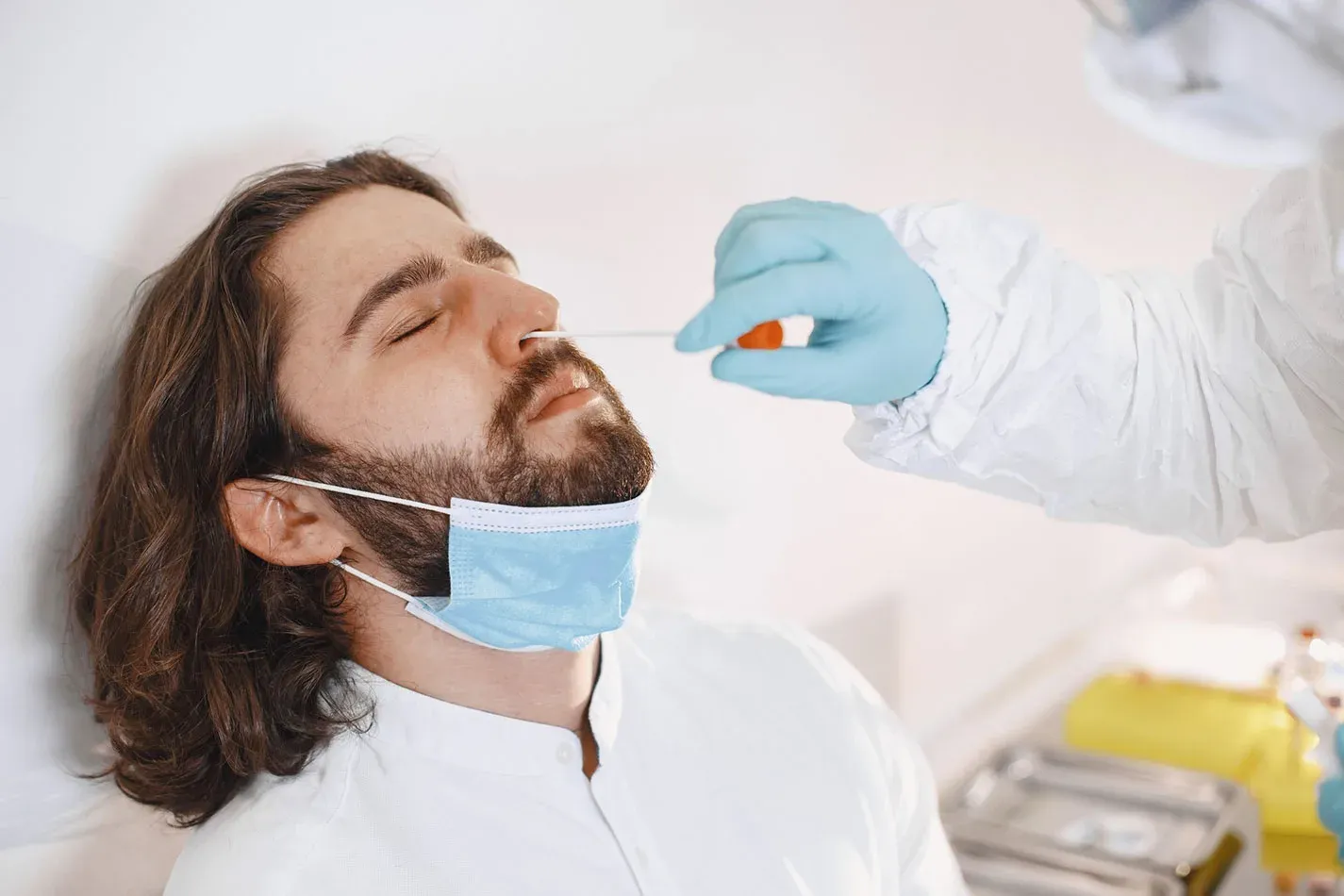
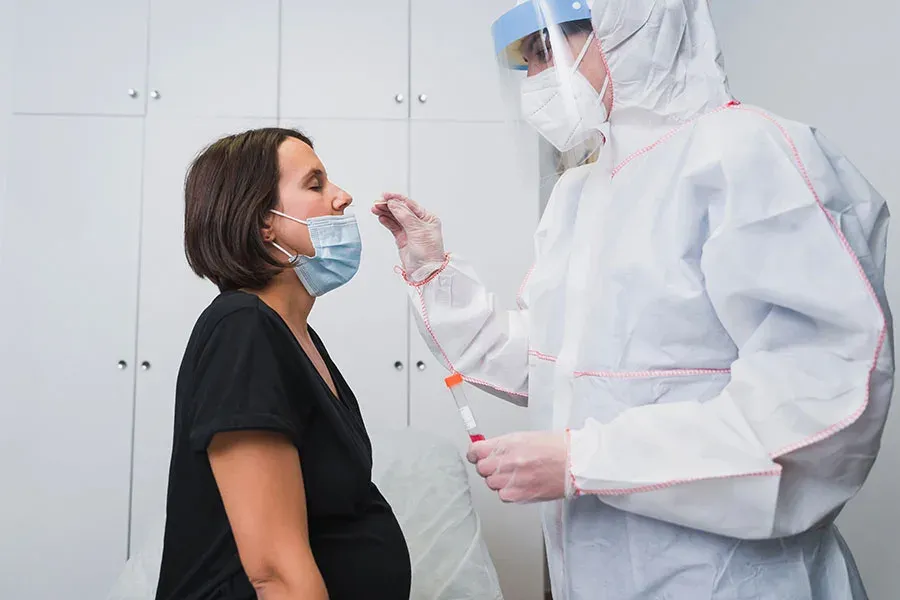
For a COVID-19 diagnostic test, our health care specialist takes a sample of saliva or a sample of mucus from your nose or throat.
-
Saliva sample
Few places offer saliva tests. While a saliva sample may be slightly less perceptive than a mucus sample taken with a long nasal swab, a saliva test is easier to do and often less unpleasant. You spit into a tube a few times to provide a sample of your saliva for testing.. The tube is sealed before it is sent to a laboratory for analysis.
-
Nose or throat swabs
A long nasal swab (nasopharyngeal swab) is recommended, although a shorter or very short nasal swab or throat swab is acceptable. Our healthcare professional inserts a thin, flexible stick with cotton brushes at the back of your throat or at the tip inside your nose to collect a mucus sample.
How long does the COVID-19 Testing process take?
The collection of the sample for the COVID-19 test will only take about 5-15 minutes max. You’ll be in and out.
I tested positive; what do I do?
- Stay at home.
- Isolate yourself from other people.
- Get plenty of rest and stay hydrated.
- Always wear a mask to cover your mouth and nose when around other people.
- Always wash your hands especially before preparing food or after coughing.
- Avoid touching your face with unwashed hands.
- Avoid sharing personal items such as cups, utensils, towels, etc.
- Always clean and disinfect the room that you're staying in.
- Monitor your symptoms.
Do You Think You Have Been Infected With Covid-19?
Let us help you take that worry away. Make sure you know about your health condition early. Get Tampa Bay Family Clinic COVID-19 Testing Service in Tampa, Florida
Your Family
Health Center
-

Primary Care
Receive the medical services you need with our primary care.
-

Lab Testing
Getting a lab test is easy! Mostly, we'll have you in and out in 15 minutes. Test results accessible within 24-72 hours.
-

Medical Marijuana Doctors
If you're considering obtaining your medical marijuana card but are unsure about the process, you've come to the right place.
-

Immigration Medical Exam
We provide all the medical services to meet the requirements of the immigration exam.